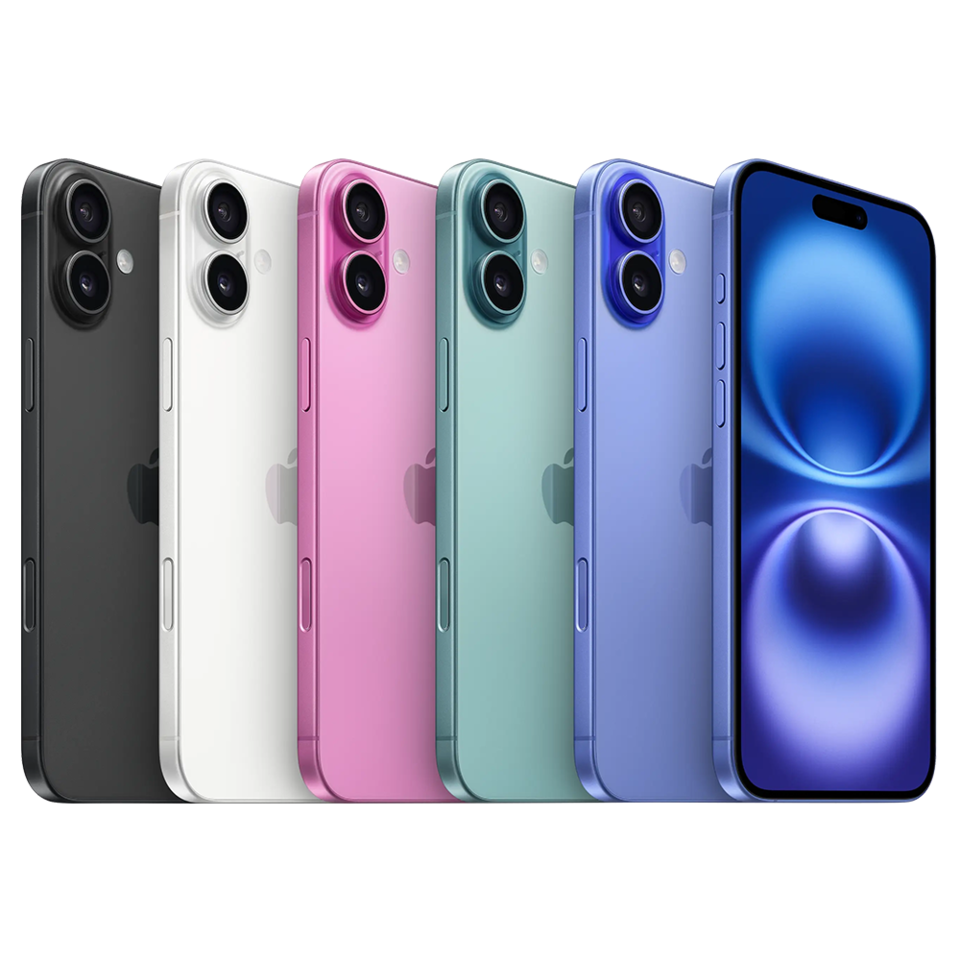
The first iPhone, introduced by Steve Jobs, was a game-changer
with its multi-touch display, sleek design, and intuitive interface.
Since then, each generation has brought significant upgrades.
The iPhone 3G introduced the App Store, the iPhone 4 featured the Retina display,
and the iPhone 5 brought a larger screen. The iPhone 6 and 6 Plus marked Apple’s shift to bigger displays,
while the iPhone X introduced Face ID and the edge-to-edge OLED screen.
Recent models like the iPhone 14 and 15 series have focused on camera improvements,
battery life, and performance enhancements. The latest iPhones now feature Dynamic Island,
USB-C charging (starting with iPhone 15), and powerful A-series chips that outperform many
laptops.
Why Choose an iPhone?
One of the biggest advantages of the iPhone is its ecosystem.
If you own a Mac, iPad, or Apple Watch, the iPhone seamlessly integrates with these devices.
Features like AirDrop, Handoff, and Universal Clipboard make it easy to switch between Apple products.
iCloud keeps your photos, notes, and files synced across all devices, and Apple’s strict privacy
policies ensure your data stays secure.
Another major selling point is software support. Apple provides iOS updates
for five to seven years, meaning even older iPhones stay up to date with the
latest features and security patches. This longevity makes iPhones a better
long-term investment compared to many Android phones, which often receive
updates for only two to three years.
Recent models like the iPhone 14 and 15 series have focused on camera improvements,
battery life, and performance enhancements. The latest iPhones now feature Dynamic Island,
USB-C charging (starting with iPhone 15), and powerful A-series chips that outperform many
laptops.
The iPhone’s camera system is also a standout feature. Apple’s computational photography,
including Smart HDR, Night Mode, and Deep Fusion, delivers stunning photos and videos.
The Pro models take it further with ProRAW, ProRes video recording, and telephoto lenses for
professional-grade photography.
The Downsides of iPhones
While iPhones excel in many areas, they aren’t perfect.
The biggest drawback is the price—flagship iPhones are among the most expensive smartphones,
and even older models retain high resale values. Apple’s closed ecosystem can also be restrictive;
sideloading apps is difficult, and customization options are limited compared to Android.
Another common complaint is the slow adoption of new hardware features.
While Android brands experimented with high-refresh-rate displays, under-display fingerprint
sensors, and foldable phones years ago, Apple has taken a more cautious approach.




 1
1 2
2 3
3 4
4 5
5 6
6 7
7