



 1
1 2
2 3
3 4
4 5
5 6
6 7
7css slider by WOWSlider.com v9.0
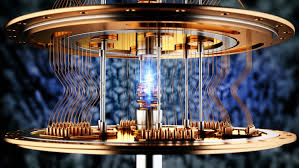
Imagine a computer so powerful that it could crack modern encryption in seconds, simulate complex molecules for drug discovery, or optimize global logistics in real time. This isn’t science fiction—it’s the promise of quantum computing, a groundbreaking technology that harnesses the bizarre laws of quantum mechanics to solve problems impossible for classical computers.
Classical vs. Quantum Bits
Classical computers use bits (0 or 1).
Quantum computers use qubits, which can be 0, 1,or both at once (thanks to superposition).
Key Quantum Phenomena
Superposition – A qubit exists in multiple states until measured.
Entanglement – Link qubits so changing one instantly affects another (even across distances).
Quantum Interference – Amplifies correct solutions & cancels out wrong ones
Analogy:
Think of a classical computer as a coin flip (heads or tails).
A quantum computer is like a spinning coin—it’s both heads and tails until it lands.